Can Blood Tests Detect Stress and Fatigue?
Have you ever wondered why energy stays low even after the body has been given proper rest or why stress seems to settle into physical symptoms before it is consciously recognized?
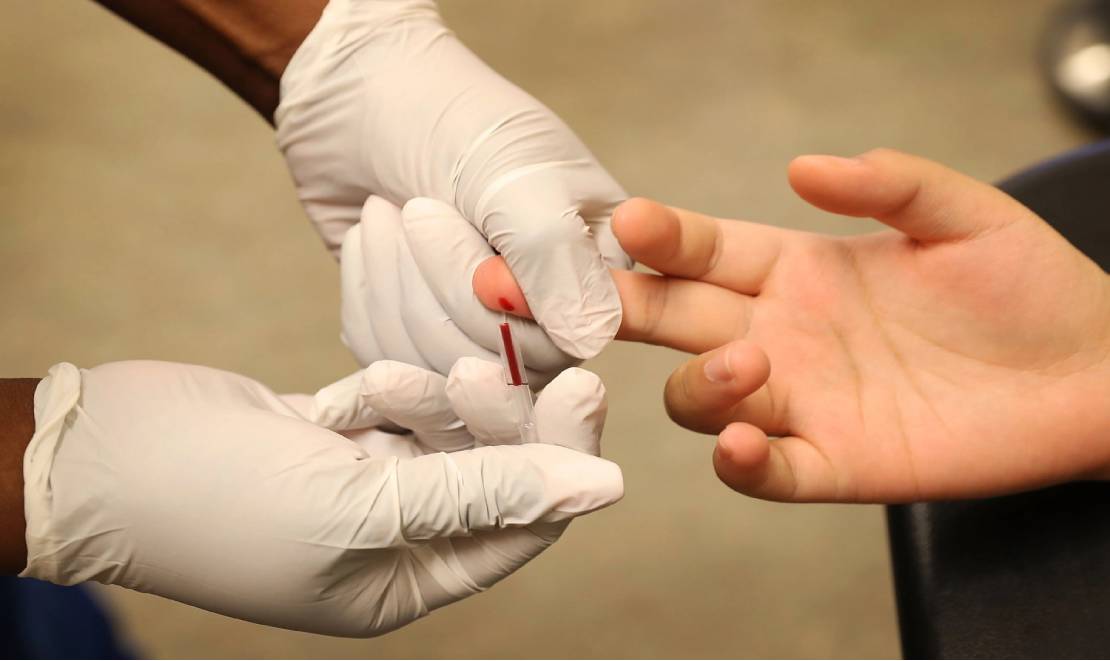
In many cases, answers are first looked for through blood tests for stress and fatigue in Houston, particularly when tiredness has gone on for a while and started to disrupt normal daily life. These tests tend to be one of the first medical steps taken when energy remains low and no clear explanation has come to light.
When the Body Feels "Off" But the Cause is Unclear
Fatigue and stress are closely linked but they are not always driven by the same root cause. Nutritional deficiencies, hormonal changes, or underlying medical conditions are among the things by which fatigue may be triggered. Sleep quality, appetite, focus and how energy is sustained throughout the day, however, can steadily be chipped away at by stress.
Blood tests are not intended to measure stress on their own. They are instead used to identify physical changes in the body that are commonly seen alongside long-term stress and persistent fatigue. This is why lab work is often suggested when symptoms have not responded to rest.
How Common Stress-Related Fatigue Really is
According to the American Psychological Association's Stress in America report, high stress levels are still being reported by a large share of adults, with both physical and emotional health being affected.
Source: https://www.apa.org/news/press/releases/stress
Long-term stress has been connected to disrupted sleep, reduced energy and hormonal imbalance changes that are often looked for, through blood tests when fatigue is being evaluated.
How Blood Tests Help Explain Stress and Fatigue
Blood tests provide a clear understanding of what is happening within the body. When fatigue has been present for several weeks, the following areas are commonly examined through routine lab work:
- Iron levels (to check for anemia)
- Thyroid function (T3, T4, TSH)
- Vitamin B12 and Vitamin D levels
- Blood sugar levels
- Inflammation markers
- Hormone levels including cortisol
These tests do not diagnose stress directly but conditions that tend to drain energy and increase tiredness can often be identified through them.
What Cortisol Tells Us About Stress
Cortisol is commonly known as the body's main stress hormone. Throughout the day, it is naturally raised and lowered to help energy and alertness be kept up.
A cortisol blood test may be brought in when stress-related fatigue is thought to be present. Even so, it is not depended on as a test for stress by itself. It is generally looked at alongside symptoms, sleep habits and lifestyle factors. When abnormal cortisol levels are seen, long-term stress may be suggested but more evaluation is always needed before any conclusions are drawn.
Why Fatigue Can Exist Even When Blood Tests Are Normal
This concern is one of the most commonly raised in clinical settings. Even when blood results are found to be within normal range, fatigue may still be felt.
When this happens, the following factors are often considered as possible contributors:
- Poor or irregular sleep
- Anxiety or emotional stress
- Burnout from work or routine pressure
- Low physical activity
- Dietary imbalance or dehydration
- Early-stage conditions not yet visible in tests
Fatigue is often multi-factorial, meaning a single clear-cut medical cause is not always identified.
When Should Blood Tests for Fatigue be Considered?
Blood testing is generally recommended when fatigue:
- Has been ongoing for more than a few weeks
- Has not been relieved by rest
- Has begun to affect work, focus, or daily functioning
- Is accompanied by symptoms such as dizziness, weight changes, or mood shifts
In these situations, medical evaluation helps determine whether further testing is needed.
How Primary Care Helps in Houston
Primary care providers are usually the first ones by whom fatigue and stress-related concerns are looked into. Symptoms are gone over through consultation, a physical examination and focused blood testing. At this stage, conditions like anemia, thyroid disorders, vitamin deficiencies or hormonal imbalance are commonly checked before specialized care is thought about.
For individuals in Houston, AZ Health and Wellness Clinic is where primary care evaluation is offered and fatigue and stress-related symptoms are assessed through structured medical testing and consultation.
Final thoughts
Blood tests are not designed to directly diagnose stress, but hidden causes of fatigue are often uncovered through them that might not have been noticed otherwise. Medical conditions are ruled out in many cases and the care plan is shaped based on what is found.
Moreover, fatigue is rarely understood through a single result, it is put together from symptoms, lifestyle patterns and clinical evaluation combined. If persistent fatigue or stress has been experienced, a primary care visit can be seen as a useful first step toward finding some clarity.
FAQs
Can blood tests detect stress and fatigue?
Stress is not directly measured through blood tests but underlying conditions like anemia, thyroid disorders, vitamin deficiencies or hormonal imbalance that are frequently seen alongside fatigue and stress-related symptoms can be found through them.
What blood tests are used to find the cause of fatigue?
Among the tests that are most commonly used are a complete blood count (CBC), thyroid function tests, vitamin B12, vitamin D, iron studies, blood sugar tests and cortisol levels in some cases.
Can stress levels be identified through blood work?
A single blood test is not enough for stress to be directly measured but indirect indicators like shifts in cortisol levels, blood sugar or inflammation markers may sometimes be noticed through the results.
Why do I feel tired even if my blood tests are normal?
Fatigue may still be present due to sleep issues, chronic stress, anxiety, burnout, poor diet or lifestyle factors that are not always captured in routine blood work.
When should I get blood tests for stress and fatigue in Houston?
Blood tests are worth considering if fatigue has persisted for several weeks, is affecting daily life or has come alongside symptoms like dizziness, weight changes or mood disturbances.